Wondering what it’s really like to live in Salem, Virginia? If you want a place with a strong local identity, a walkable historic core, easy access to parks, and a steady calendar of community events, Salem stands out in the Roanoke Valley. Whether you are planning a move across town or relocating from farther away, this guide will help you understand what gives Salem its personality and how that can shape your home search. Let’s dive in.
Why Salem Stands Out
Salem is a small city with about 25,816 residents packed into 14.52 square miles, which helps explain why so much of daily life feels close at hand. The city also has a 62.8% owner-occupancy rate, a median owner-occupied home value of $258,600, a median gross rent of $1,133, and a median household income of $66,725. Those numbers help frame Salem as a city with an active housing market and a strong base of long-term residents.
What many people notice first, though, is not just the size of the city. It is the way Salem has a distinct civic identity. In official branding and regional tourism materials, Salem is known as Virginia’s Championship City, and Virginia’s Blue Ridge says the city has hosted more than 100 NCAA championships.
That sports identity is only part of the story. Salem also offers a compact historic downtown, visible community traditions, and convenient access tied to I-81 and US-460. For many buyers, that mix creates a city that feels connected, active, and easy to navigate.
Salem’s Championship City Identity
Sports are woven into everyday life in Salem in a way that sets it apart from many similarly sized cities. Major competitions and recurring athletic events are not tucked away in the background. They are part of the city’s image, its calendar, and its sense of place.
The city’s annual events and community programming highlight NCAA Division III championships and the Amos Alonzo Stagg Bowl as key parts of Salem’s identity. If you enjoy living in a place where community pride shows up through shared events, this can be a meaningful part of the lifestyle.
The James I. Moyer Sports Complex is a major example of that local focus. The city says the complex opened in 1992, averages about 230 event days each year, and draws roughly 250,000 guests annually. After a 22-month renovation, it reopened in 2024 with four updated diamonds, 13 pickleball courts, an ADA-compliant playground, additional parking, and improved bleacher and restroom amenities.
For homebuyers, that does not just mean sports tourism. It also means Salem invests in public spaces that support recreation and gathering. That can add to the day-to-day appeal for households looking for activity close to home.
Downtown Salem Has Real Character
One of Salem’s strongest lifestyle advantages is its historic downtown core. The Downtown Salem Historic District follows the city’s original platted grid laid out in 1802, and it includes mixed-use commercial buildings, churches, the old county courthouse, the post office, and the library.
That history is still visible today. Rather than feeling like a downtown that exists only for special occasions, Salem’s center plays an active role in daily life. It gives the city a sense of continuity that many buyers appreciate when they want a place with established character.
Roanoke College, which arrived in the 1840s, also helped shape Salem’s profile over time. Its presence adds another layer to the city’s built environment and identity near the core.
If you are drawn to places with recognizable streets, historic structures, and a central district that still matters, downtown Salem is one of the clearest reasons people connect with the city.
The Farmers Market Adds Everyday Energy
The Salem Farmers Market is another reason downtown feels active instead of static. Located at Main and Broad, the market was built in 1992 to serve local farmers and has become an important downtown asset.
According to the city, the market offers produce, baked goods, flowers, honey, eggs, meats, and special events that promote downtown activity. For residents, that can mean a simple way to shop local and spend time in the center of town.
When buyers picture their lifestyle in Salem, this is often the kind of detail that matters. Access to recurring, easy-to-enjoy places can shape how connected you feel to a community after the move.
Annual Events Create Community Rhythm
Some cities have amenities. Salem has amenities plus traditions. That difference matters because recurring events can give your year a natural rhythm and make it easier to feel part of the community.
The city’s event calendar includes Salem Fair, Salem After Five concerts at the Farmers Market, the Salem Distance Run, the LewisGale Salem Half Marathon, Pumpkinfest, Main Street Trick-or-Treating, the Christmas tree lighting and parade, and Olde Salem Days. Olde Salem Days is described by the city as an annual arts-and-crafts festival on Main Street.
For buyers considering a move, these events help tell you what local life may feel like beyond the house itself. Salem appears to offer plenty of reasons for residents to gather downtown, celebrate seasonal traditions, and take part in public life throughout the year.
That can be especially appealing if you want a city that feels engaged and active without the scale of a much larger metro area.
Parks and Greenways Support Outdoor Living
Salem’s outdoor assets are another major part of the appeal. The parks system is central to the city’s identity, and the options range from event-oriented sports facilities to quieter neighborhood-friendly spaces.
Longwood Park is the city’s largest park and includes five shelters plus an amphitheater used for evening concerts and movies. Lake Spring Park has long been associated with weddings, prom photos, fishing, and the Ernest “Pig” Robertson Fishing Rodeo. Kiwanis Park is described by the city as the home of baseball in Salem since 1932.
These places matter because they create different ways to use the city. Some residents may prioritize organized recreation, while others may be looking for scenic spots, family outings, or a place to enjoy community events outdoors.
Trails and Water Access in Salem
Greenways add another layer to Salem’s outdoor story. The city says about four miles of the Roanoke River Greenway are complete inside Salem, and additional local trail assets include the Mason Creek Greenway and the Hanging Rock Battlefield Trail.
The city also connects the Roanoke River Blueway to canoeing, kayaking, fishing, tubing, and wildlife viewing. If you enjoy having options for active weekends or relaxed time outside, Salem offers more than just a few isolated parks.
For many buyers, this kind of access can influence where they want to live within the city. Proximity to trails, parks, or river access may become an important factor as you narrow your search.
Salem Housing Has Variety
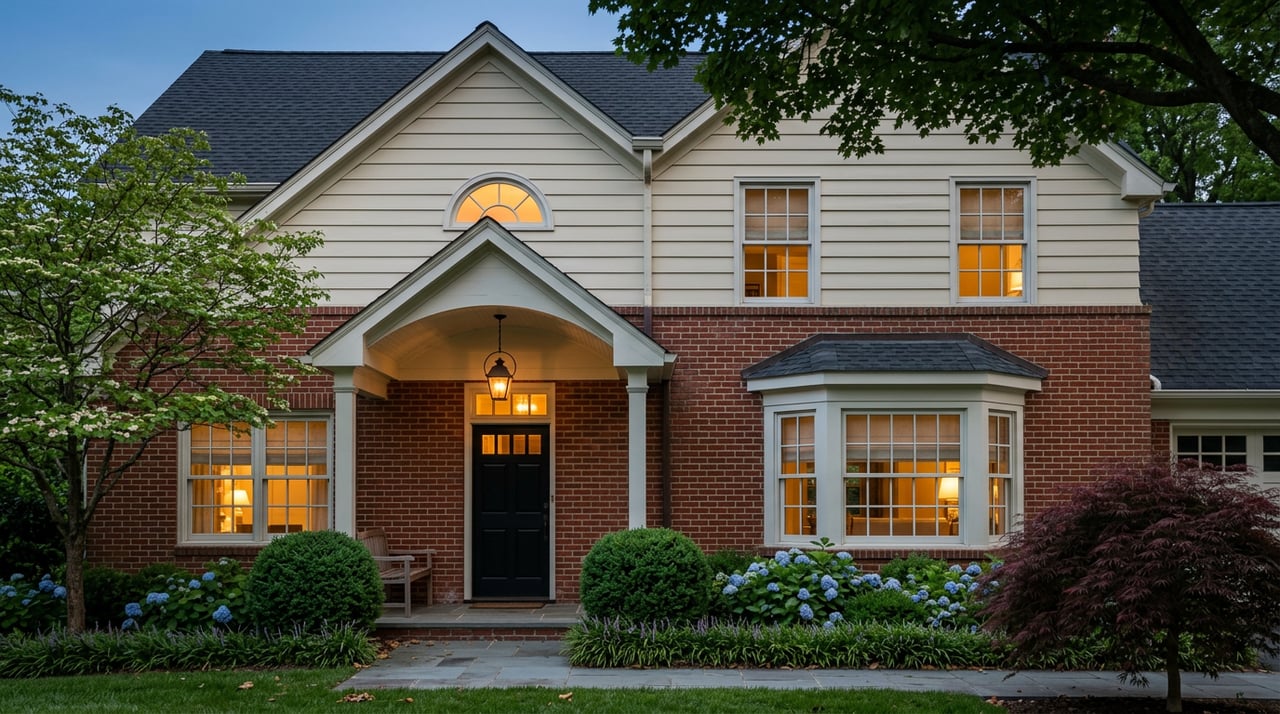
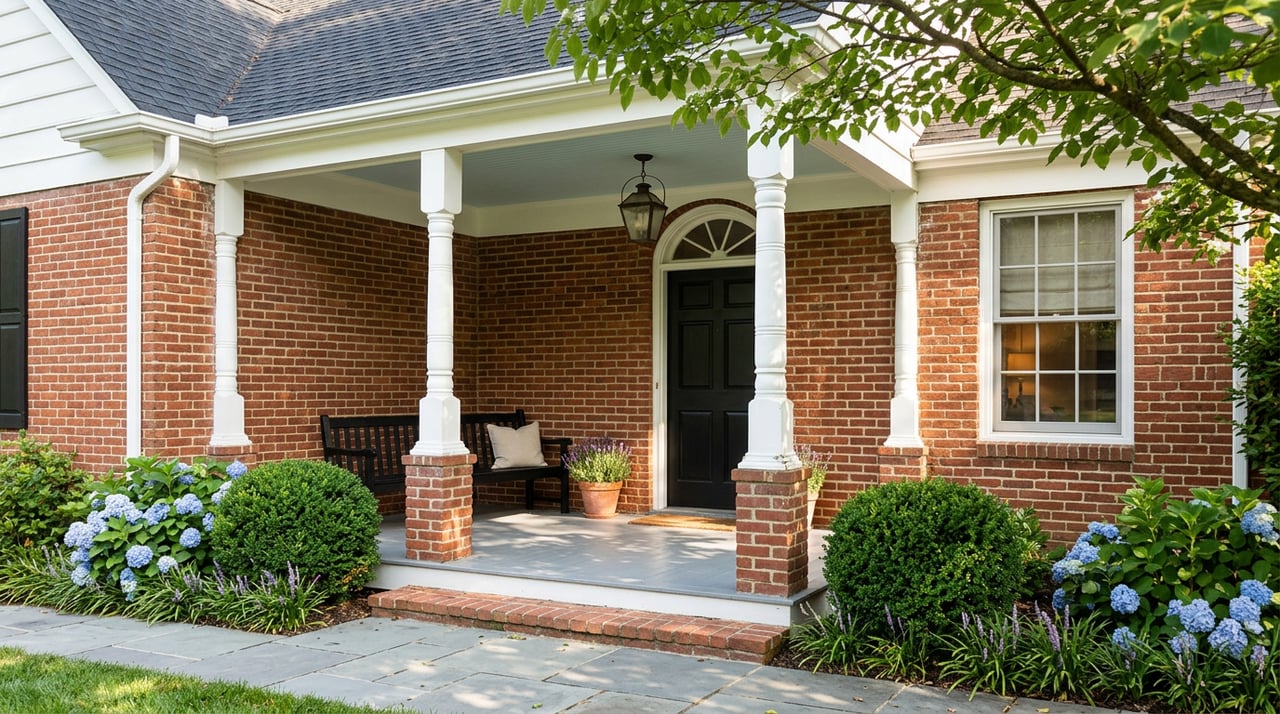
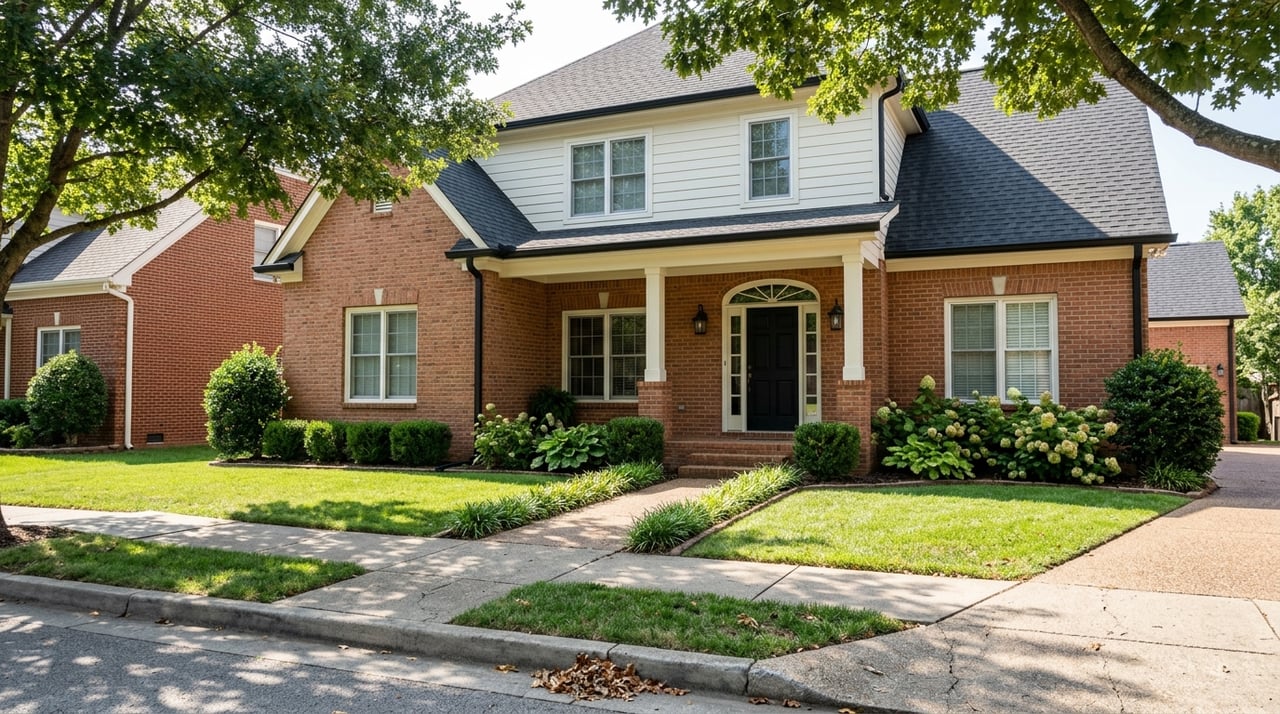
One of the most useful things to know before moving to Salem is that its housing stock is varied. This is not a city with one dominant neighborhood style or one uniform development pattern.
City and state historic resources recognize several different historic areas and complexes, including the Downtown Salem Historic District, North Broad Street Historic District, the Roanoke Veterans Administration Hospital Historic District, and the Roanoke College Main Campus Complex. Taken together, those resources point to a city with layers of architectural and neighborhood history.
That variety can be a major advantage if you are trying to match your home search to your lifestyle, budget, or design preferences.
Historic Homes Near the Core
North Broad Street is one of Salem’s best-preserved residential corridors. State survey materials describe it as a prosperous neighborhood developed mostly between 1867 and 1950, with architectural styles including Second Empire, Italianate, Queen Anne, Stick, Folk Victorian, Classical Revival, Craftsman, Colonial Revival, Tudor Revival, and Minimal Traditional.
The district remains visually cohesive because of uniform setbacks, spacious lots, and substantial detached houses. If you are looking for established streetscapes and older homes with strong architectural character, areas near the core may be worth close attention.
Union Street and Academy Street add to that historic residential fabric. Survey materials describe Union Street as a collection of high-style Victorian dwellings and Academy Street as a corridor of late-19th- and early-20th-century middle-class dwellings with a school-centered streetscape.
Mixed-Age and Postwar Housing
Salem also includes more modest and mixed-age housing areas. South Salem is described in survey materials as a large neighborhood developed from the Salem Development Company’s 1890 plat, with homes influenced by Folk Victorian, Colonial Revival, and Craftsman traditions.
Common home forms there include bungalows, ranches, Cape Cods, gable-front-and-wing houses, pyramidal cottages, I-houses, and Four-Squares. The survey also notes later infill along Kimball and Palmer avenues.
Virginia Avenue reflects another pattern of development from the late 19th century through the mid-20th century. It includes Colonial Revival, Folk Victorian, and Queen Anne examples alongside bungalows, ranches, and Cape Cods.
For buyers, the takeaway is simple: Salem offers options. You may find historic character near downtown, or you may prefer a more modest postwar or mixed-age setting depending on your goals.
Who May Enjoy Living in Salem
Salem can be a strong fit if you want a city that feels established, active, and easy to get around. Its compact size, historic downtown, event calendar, parks, and housing variety all support that impression.
You may especially appreciate Salem if you value:
- A recognizable downtown with history and everyday activity
- Frequent public events and seasonal traditions
- Strong sports and recreation culture
- Access to parks, trails, and outdoor amenities
- A range of housing styles from historic homes to ranches and bungalows
- Regional connectivity through I-81 and US-460
Of course, the right fit depends on your priorities. Some buyers are drawn to Salem for its charm and traditions, while others focus more on housing style, commute convenience, or proximity to outdoor spaces.
What This Means for Your Home Search
If you are considering Salem, it helps to look beyond price and square footage. The city’s appeal often comes from how its neighborhoods connect to downtown, parks, sports facilities, and community events.
A home near the historic core may offer a different day-to-day experience than a home in a mixed-age residential area or near greenway access. That is why local guidance matters. When you understand the feel of each area, you can narrow your search in a way that matches how you actually want to live.
For buyers relocating to the Roanoke Valley or moving within the region, Salem can offer a distinctive mix of history, recreation, and community identity. If you want help exploring homes in Salem and comparing your options with confidence, Christy Crouch and The Crouch Team can help you make a smart, informed move.
FAQs
What is Salem, Virginia known for?
- Salem is known as Virginia’s Championship City, with official and regional materials highlighting its history of hosting major sports events, including more than 100 NCAA championships.
What is downtown Salem like?
- Downtown Salem is centered on a historic district laid out in 1802 and includes mixed-use commercial buildings, churches, civic buildings, and the Salem Farmers Market in the heart of downtown.
What parks and trails are available in Salem, VA?
- Salem offers parks such as Longwood Park, Lake Spring Park, Kiwanis Park, and the James I. Moyer Sports Complex, along with trail access through the Roanoke River Greenway, Mason Creek Greenway, and Hanging Rock Battlefield Trail.
What kinds of homes can you find in Salem, Virginia?
- Salem has a varied housing stock that includes historic homes near the core, substantial detached houses on North Broad Street, and mixed-age neighborhoods with bungalows, ranches, Cape Cods, and other traditional home forms.
Is Salem, VA a good fit for homebuyers who want community events?
- Salem may appeal to buyers who want an active community calendar because the city hosts recurring events such as Salem Fair, Salem After Five, Olde Salem Days, Pumpkinfest, road races, and holiday celebrations.