Looking for a place in Blacksburg where your life does not revolve around class schedules or game days? You are not alone. Many buyers and relocating professionals want to know what daily life really feels like here beyond the student lens, and the good news is that Blacksburg offers much more than a college-town stereotype. From walkable downtown routines to parks, trails, housing variety, and arts programming, this guide will help you picture what living in Blacksburg can look like as a non-student. Let’s dive in.
Blacksburg Feels Like a Real Community
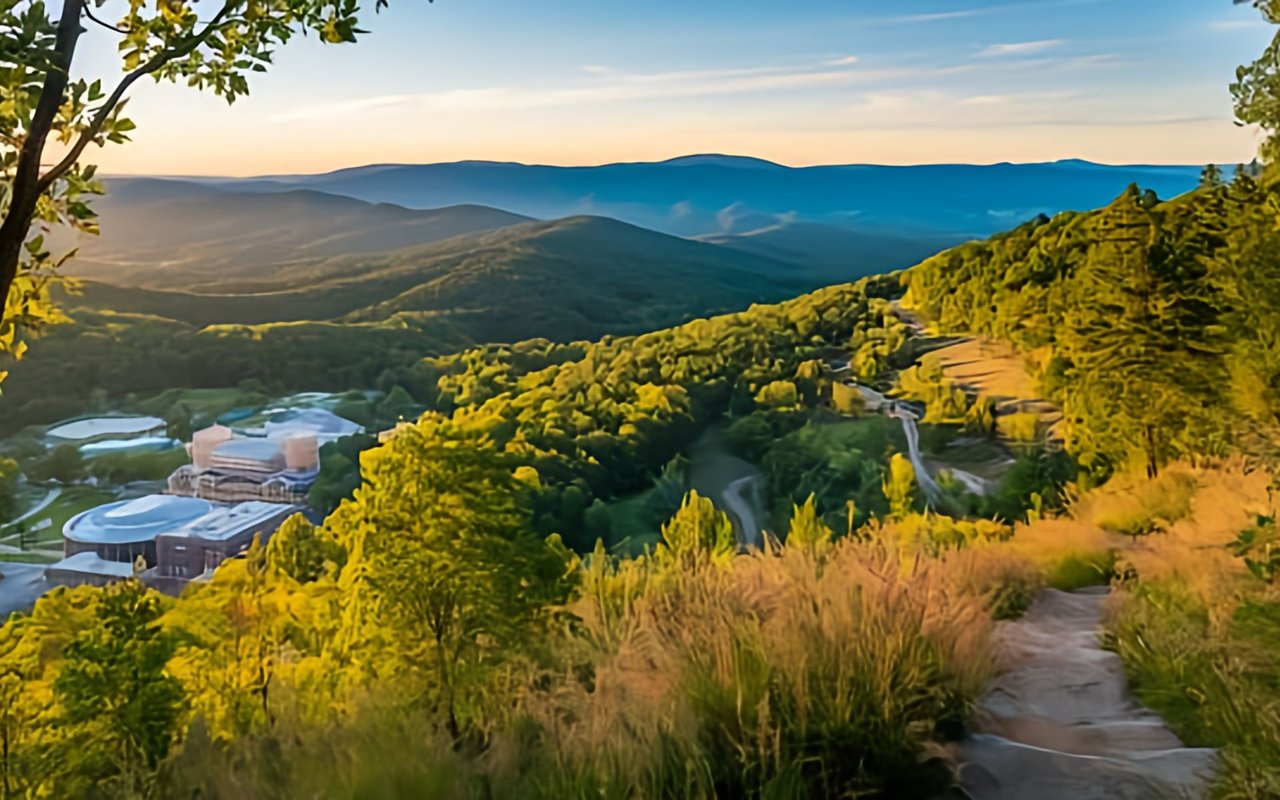
Blacksburg is often defined by Virginia Tech, and that is certainly part of the story. The town has more than 43,000 residents, and more than 31,000 Virginia Tech students are part of the local population. Virginia Tech’s campus is also a major physical presence, spanning 2,600 acres and 213 buildings.
At the same time, Blacksburg is not just a campus setting with a few neighborhoods around it. The town describes itself as a close-knit community where a major research university exists side by side with everyday resident life. That balance is a big reason many non-students find Blacksburg appealing.
The result is a town with energy, activity, and amenities that often exceed what you might expect for its size. You get the benefits of a university-influenced place, but you can still settle into a year-round routine that feels grounded and local.
Downtown Blacksburg Supports Daily Life
If you are hoping for convenience, downtown is one of Blacksburg’s biggest strengths. The town notes that getting around is easy, with wide sidewalks, bike racks throughout downtown, 2-hour downtown parking, free parking on Sundays and holidays, and fare-free Blacksburg Transit service.
That infrastructure matters because it makes casual everyday outings easier. You can grab coffee, meet a friend for lunch, run a quick errand, or spend time at a local event without making every trip feel like a production.
Downtown also feels more mixed-use than many places near a university. The commercial district allows commercial, office, and residential uses, which helps create a steady, all-day rhythm instead of a strictly campus-driven one.
Food and Coffee Go Beyond Campus Culture
One reason non-students often enjoy Blacksburg is that the dining scene feels usable for real life, not just occasional entertainment. According to the town, Blacksburg has more than 200 shops and restaurants, with options ranging from seafood and Italian to vegetarian, ethnic, and pub fare.
That variety gives you choices whether you want a quick weekday meal or a slower weekend outing. It also helps support the sense that downtown is an amenity for full-time residents, not just a place students pass through.
A few local names help illustrate that range. Representative spots mentioned in local sources include The Cellar downtown, Gillie’s, Bull & Bones, Rising Silo, and Bollo’s Cafe. Together, they reflect the casual, locally rooted mix that shapes many residents’ weekly routines.
Weekly Events Add Rhythm
A good lifestyle is often built on repeated routines, and Blacksburg has some simple ones that help people feel connected. The Blacksburg Farmers Market runs on Wednesdays from April through December and on Saturdays at Market Square Park.
That gives you an easy reason to spend time downtown during the week or on the weekend. Picking up local produce or just browsing for a bit can become part of your regular schedule.
There is also Market Square Jam on Wednesday evenings from June through September from 7 to 9 p.m. As an official Crooked Road-affiliated event, it adds live music and another layer of activity that is not tied to campus life.
Housing Options Are More Varied Than Many Expect
For non-students thinking about buying, one of the most important questions is whether Blacksburg offers more than one type of neighborhood. The answer is yes. The town’s housing information highlights a range that includes starter homes in older neighborhoods, classic historic architecture, low- to moderate-income energy-efficient homes, and custom-built houses in newer neighborhoods.
That variety can be helpful whether you are buying your first home, relocating for work, downsizing, or looking for something more custom. It means you are not limited to one look, one price point, or one type of setting.
The town also allows accessory apartments in certain districts. According to the town, these can help improve affordability, support aging in place, and add variety to housing types.
Neighborhood Patterns Matter in Blacksburg
Instead of thinking about Blacksburg as either student housing or everything else, it is more useful to understand its neighborhood patterns. Town planning documents distinguish urban and walkable neighborhoods, suburban residential neighborhoods, multi-unit residential neighborhoods, and rural or undeveloped areas.
The urban and walkable pattern is centered around downtown and the original Sixteen Squares. That area can appeal to buyers who want proximity to local businesses, events, and a more connected street layout.
There is also a designated historic district near downtown, plus a Live | Work | Sell arts overlay east of downtown for artists who want to live and create in the same area. These details help show that Blacksburg has several distinct living environments, not one single mold.
The Market Is Competitive
If you are considering a move, it helps to know the pace of the market. Redfin reported a median sale price of $408,789 for the three months ending April 2026, with homes selling in about 23 days on average.
Realtor.com reported a median listing price of $579,500 and median rent of $1,900 in May 2026. Those numbers are different because they measure different things, including sale versus listing data and different methodologies.
There is also a wide price range across local areas. Realtor.com neighborhood pages showed prices ranging from about $226,750 in Ellett–Jennelle to about $939,315 in Downtown Blacksburg. For buyers, that is another reminder that neighborhood fit and budget planning matter here.
Outdoor Access Is Part of the Appeal
Blacksburg offers a strong recreation system for a town its size, and that can be a major plus if you want an active lifestyle. Parks and Recreation manages more than 20 parks and over 1,000 programs annually. Other town resources note more than 500 acres of parkland.
Residents also have access to the 6-mile Huckleberry Trail, Mountain Skills Bike Park, Hill Municipal Golf Course, the Aquatic Center, and the Price House Nature Center. These are the kinds of amenities that support regular routines, not just occasional weekend plans.
The Huckleberry Trail is especially useful in daily life. It currently runs from the library to the New River Mall, and the town is working to extend it toward Hethwood and Gateway Park.
Day Trips Are Easy Too
If you like bigger outdoor outings, Blacksburg gives you that option without needing a long drive. The Cascades Trail sits about 14 miles west of town.
According to the USDA Forest Service, the trail is a 4-mile loop leading to the 66-foot Cascades Falls. That makes it a strong day-trip option for residents who want access to a scenic hike while still enjoying the convenience of town living.
For many non-students, that blend is the real draw. You can keep your weekday routine compact and convenient, then head out for a larger outdoor experience when you want one.
Arts and Culture Have Staying Power
A common misconception about university towns is that arts and culture are mostly aimed at students. In Blacksburg, the picture is broader. The town highlights storefront galleries, the historic Lyric Theatre, outdoor gathering and performance areas, and the Center for the Arts at Virginia Tech.
That mix gives you multiple ways to plug into local culture. Some experiences feel more civic, some feel more creative, and some are tied to larger university resources that benefit the broader community too.
Blacksburg also supports arts activity in public spaces. Sidewalk Stage allows busking on town-owned downtown property from 9 a.m. to 10 p.m. year-round, which helps keep downtown lively and locally expressive.
Local History Adds Depth
Blacksburg is not only about what is new or active. It also has places that preserve the town’s history and give it more identity beyond the university.
The Alexander Black House and St. Luke and Odd Fellows Hall both help anchor that local story. For residents, those historic places can add a stronger sense of continuity and place, especially if you are looking for a town that feels established rather than temporary.
That deeper identity often matters to non-student buyers. You are not just choosing a house. You are choosing a community where you want your routines and relationships to grow over time.
What Non-Students Often Like Most
When you put it all together, Blacksburg stands out for balance. It is compact, active, and shaped by a major university, but it also offers mixed housing, a true downtown, strong recreation resources, and arts and civic experiences that support year-round living.
For some buyers, that means the chance to live near walkable amenities. For others, it means access to trails, community events, or a home in a neighborhood that feels more residential and removed from the busiest student areas.
If you are trying to decide whether Blacksburg fits your lifestyle, the key is to look past the college-town label. The better question is how you want your days to feel, and in many parts of Blacksburg, that answer can be surprisingly well-rounded.
If you are exploring Blacksburg as a place to buy, relocate, or downsize, working with a local team can help you sort through neighborhood patterns, pricing, and what daily life may look like in different parts of town. To talk through your goals and get guidance tailored to your move, connect with Christy Crouch.
FAQs
What is Blacksburg like for non-students?
- Blacksburg offers a mix of university energy and year-round community life, with walkable downtown amenities, varied housing, outdoor recreation, arts, and local events that appeal to full-time residents.
What housing options are available in Blacksburg for non-student buyers?
- Town resources describe a range that includes older starter homes, historic architecture, energy-efficient homes, newer custom-built houses, and some districts where accessory apartments are allowed.
Is downtown Blacksburg useful for everyday living?
- Yes. Downtown has wide sidewalks, bike racks, 2-hour parking, free parking on Sundays and holidays, fare-free transit, and a mix of commercial, office, and residential uses that support daily routines.
What outdoor activities can Blacksburg residents enjoy?
- Residents have access to more than 20 parks, over 500 acres of parkland, the 6-mile Huckleberry Trail, Mountain Skills Bike Park, Hill Municipal Golf Course, the Aquatic Center, and nearby hiking like the Cascades Trail.
How competitive is the Blacksburg housing market?
- Recent reporting showed a median sale price of $408,789 for the three months ending April 2026, average days on market of about 23 days, and a wide neighborhood price spread depending on location.
Does Blacksburg have things to do beyond Virginia Tech?
- Yes. Local life includes the Farmers Market, Market Square Jam, storefront galleries, the Lyric Theatre, public performance spaces, local history sites, and a dining scene with more than 200 shops and restaurants.