By The Crouch Team
Buying your first home is one of the most exciting milestones you’ll ever reach. For many, it’s a symbol of independence, a step toward building wealth, and a place where you’ll create countless memories.
But let’s be honest: it’s also a process filled with new terms, stressful decisions, and paperwork that can feel overwhelming if you don’t have the right information from the start.
The key to a smooth, successful buying experience is having a clear understanding of what to expect. Our comprehensive guide below will walk you through every step of the process, from preparing your finances to moving in, so you’ll feel empowered, informed, and ready to make the leap into homeownership.
Key Takeaways
- Discover the most important steps you need to take before buying your first home.
- Learn how to organize your finances and which documents you’ll need.
- Understand the basics of home loans, offers, inspections, and closing.
- Pick up practical tips that help you avoid costly mistakes and feel confident at every stage.
Understanding Your Finances: Laying the Groundwork
For most first-time buyers, getting your finances in order is the crucial first step before you can even begin looking at properties. It’s not just about saving up for a down payment; lenders and sellers both want to see that you’re a reliable, qualified buyer.
Begin by reviewing your credit report. You can get free reports from all three major credit bureaus, and it’s essential to look for any mistakes or debts that might lower your score. A higher credit score can lead to better loan terms, saving you thousands over the life of your mortgage. If you find any errors, dispute them right away and work on paying down outstanding balances.
Next, calculate how much you can realistically afford. Lenders look at your debt-to-income (DTI) ratio, which compares your monthly debts to your gross monthly income. Most experts recommend spending no more than 28-31% of your income on housing costs, including the mortgage, property taxes, and insurance. Use online calculators to get a sense of your price range, but don’t forget about closing costs and ongoing maintenance expenses that come with homeownership.
Getting pre-approved for a mortgage is a step you shouldn’t skip. A pre-approval letter shows sellers you’re serious and capable of buying, and it also gives you a clearer idea of your maximum budget. Gather your recent pay stubs, tax returns, bank statements, and documentation of any assets or debts. Organizing these in advance saves time and reduces stress as you move through the process.
Begin by reviewing your credit report. You can get free reports from all three major credit bureaus, and it’s essential to look for any mistakes or debts that might lower your score. A higher credit score can lead to better loan terms, saving you thousands over the life of your mortgage. If you find any errors, dispute them right away and work on paying down outstanding balances.
Next, calculate how much you can realistically afford. Lenders look at your debt-to-income (DTI) ratio, which compares your monthly debts to your gross monthly income. Most experts recommend spending no more than 28-31% of your income on housing costs, including the mortgage, property taxes, and insurance. Use online calculators to get a sense of your price range, but don’t forget about closing costs and ongoing maintenance expenses that come with homeownership.
Getting pre-approved for a mortgage is a step you shouldn’t skip. A pre-approval letter shows sellers you’re serious and capable of buying, and it also gives you a clearer idea of your maximum budget. Gather your recent pay stubs, tax returns, bank statements, and documentation of any assets or debts. Organizing these in advance saves time and reduces stress as you move through the process.
Quick Tips for Organizing Your Finances
- Review your credit report and fix any errors.
- Set a budget for your new home, including future expenses.
- Gather documents, such as pay stubs, tax returns, and bank statements.
- Get pre-approved for a mortgage ahead of time.
Understanding Home Loans and Financing Options
The home loan process can feel confusing, especially if you’re bombarded by terms like fixed-rate, adjustable-rate, PMI, and points. Knowing your options gives you more control over your purchase and helps you avoid missteps.
Start by comparing different loan types. The most common is a conventional loan, but FHA or VA loans may offer lower down payment requirements or more flexible qualifications. Your lender can help you determine which options you’re eligible for.
Fixed-rate mortgages are popular because your payment stays the same for the life of the loan, while adjustable-rate mortgages (ARMs) may begin with a lower rate but then increase after a set period.
Down payments are often the most notable hurdle for first-time buyers, but you may not need 20%. Many programs allow as little as 3-5% down, especially for FHA or special first-time buyer loans. However, if your down payment is below 20%, you’ll likely have to pay private mortgage insurance (PMI) until you reach a certain equity level.
Start by comparing different loan types. The most common is a conventional loan, but FHA or VA loans may offer lower down payment requirements or more flexible qualifications. Your lender can help you determine which options you’re eligible for.
Fixed-rate mortgages are popular because your payment stays the same for the life of the loan, while adjustable-rate mortgages (ARMs) may begin with a lower rate but then increase after a set period.
Down payments are often the most notable hurdle for first-time buyers, but you may not need 20%. Many programs allow as little as 3-5% down, especially for FHA or special first-time buyer loans. However, if your down payment is below 20%, you’ll likely have to pay private mortgage insurance (PMI) until you reach a certain equity level.
Comparing Home Loan Options
- Conventional, FHA, and VA loans may fit your needs, depending on your qualifications.
- Fixed-rate mortgages offer predictable payments.
- Adjustable-rate mortgages may start lower but can rise.
Searching for Your Dream Home: Setting Priorities
With your finances in order, it’s finally time for the fun part: the home search. Before you fall in love with the first open house you see, spend some time clarifying your priorities. This helps you avoid decision fatigue and keeps your search focused on homes that truly fit your needs.
Make a list of your must-haves, nice-to-haves, and deal-breakers. Think about your ideal number of bedrooms, bathrooms, yard space, and location. Is being close to work or public transit important? Do you want a move-in-ready home, or are you up for a fixer-upper?
As you tour homes, try not to get distracted by staging or décor; focus on the bones of the property, its layout and floor plan, and the condition of key systems like plumbing and electrical components. Don’t be afraid to ask tough questions about age, repairs, and previous ownership.
Make a list of your must-haves, nice-to-haves, and deal-breakers. Think about your ideal number of bedrooms, bathrooms, yard space, and location. Is being close to work or public transit important? Do you want a move-in-ready home, or are you up for a fixer-upper?
As you tour homes, try not to get distracted by staging or décor; focus on the bones of the property, its layout and floor plan, and the condition of key systems like plumbing and electrical components. Don’t be afraid to ask tough questions about age, repairs, and previous ownership.
How to Prioritize Your Home Search
- Determine your must-haves, nice-to-haves, and deal-breakers.
- Consider location, commute, and amenities.
- Decide whether you are seeking a move-in-ready or fixer-upper home.
- Focus on layout and condition, not just appearance.
Making an Offer: What Happens Next?
You’ve found the perfect home — now what? Making an offer is both an art and a science. Together, we will review recent sales of similar properties (called comparables or “comps”) to help determine a fair offer price.
Once you decide on your offer price, we will draw up a purchase agreement. This legally binding document spells out your price, contingencies (like financing or inspections), and your preferred closing timeline.
Be prepared for counteroffers, as the seller may accept, reject, or negotiate your offer. Our team will help you respond strategically, whether that means increasing your price, adjusting various contingencies, or walking away if the terms aren’t right for your needs.
Once you decide on your offer price, we will draw up a purchase agreement. This legally binding document spells out your price, contingencies (like financing or inspections), and your preferred closing timeline.
Be prepared for counteroffers, as the seller may accept, reject, or negotiate your offer. Our team will help you respond strategically, whether that means increasing your price, adjusting various contingencies, or walking away if the terms aren’t right for your needs.
What to Expect When Making an Offer
- Review comparable sales to decide on your offer price.
- Include contingencies to protect your interests.
- Be ready for possible counteroffers.
Navigating Inspections and Appraisals
Once your offer is accepted, inspections and appraisals are critical steps that protect you from buying a home with hidden problems or overpaying.
A professional home inspection gives you a detailed report on the condition of the property. Inspectors evaluate major systems like the roof, plumbing, electrical, foundation, and HVAC. If they find issues, you can negotiate repairs, price adjustments, or credits with the seller.
An appraisal, ordered by your lender, determines the home’s fair market value. If the appraisal comes in lower than your agreed-upon price, you may need to renegotiate with the seller or pay the difference in cash.
A professional home inspection gives you a detailed report on the condition of the property. Inspectors evaluate major systems like the roof, plumbing, electrical, foundation, and HVAC. If they find issues, you can negotiate repairs, price adjustments, or credits with the seller.
An appraisal, ordered by your lender, determines the home’s fair market value. If the appraisal comes in lower than your agreed-upon price, you may need to renegotiate with the seller or pay the difference in cash.
Tips for Inspections and Appraisals
- Schedule a thorough home inspection as soon as your offer is accepted.
- Use the inspection report to negotiate repairs or credits.
- Review the appraisal results and prepare to renegotiate if needed.
Closing Day: What to Expect
The finish line is in sight! Before closing, it’s standard to do a final walkthrough of the property to ensure it’s in the agreed-upon condition and that any requested repairs have been completed. Take your time and note any issues right away.
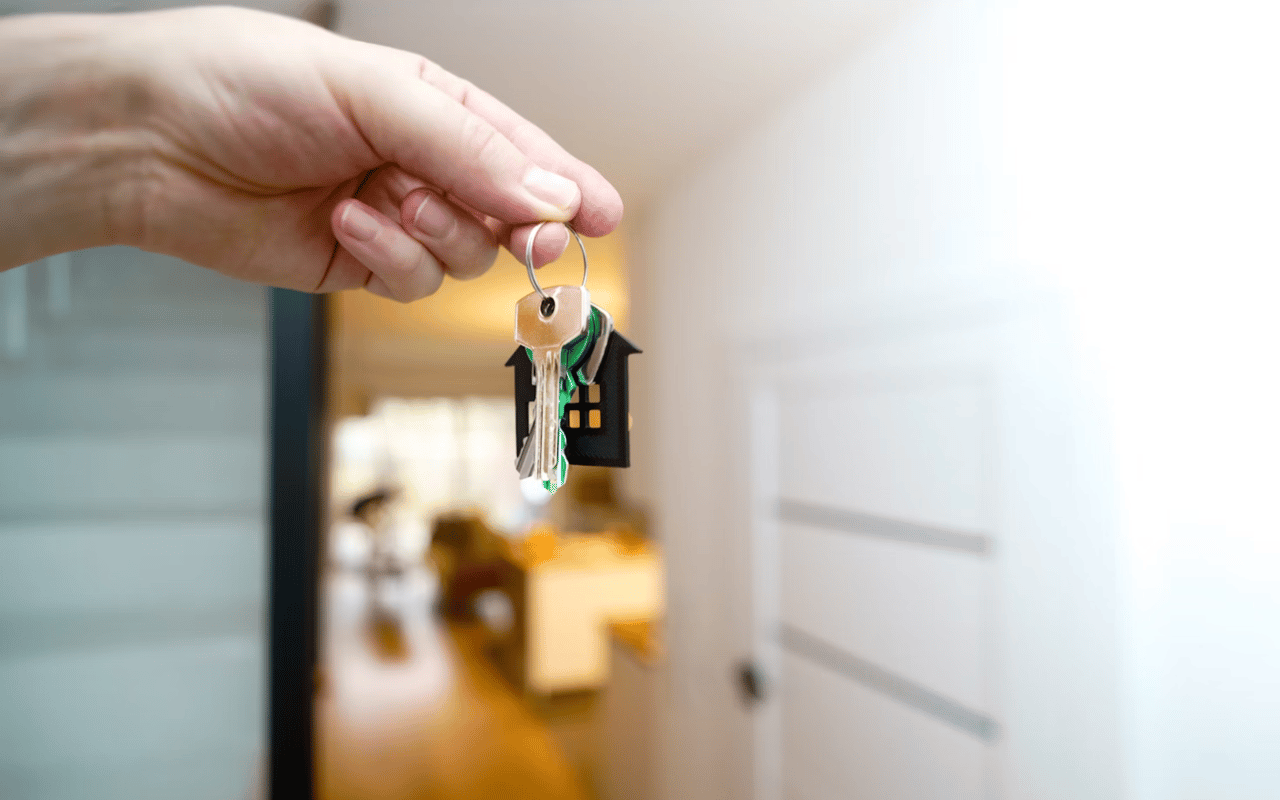
Closing day is when you officially become a homeowner. You’ll typically meet at a title company or attorney’s office to sign the closing documents and transfer funds. Bring a government-issued ID and any documents your lender or title company requested. Once everything is signed and funds are transferred, you’ll receive the keys to your new home.
Closing day is when you officially become a homeowner. You’ll typically meet at a title company or attorney’s office to sign the closing documents and transfer funds. Bring a government-issued ID and any documents your lender or title company requested. Once everything is signed and funds are transferred, you’ll receive the keys to your new home.
Tips for a Smooth Closing Day
- Bring all required identification and documents.
- Review each document before signing.
- Complete a final walkthrough before closing.
- Ensure all funds are ready and accessible.
FAQs
What Documents Do I Need to Buy My First Home?
You’ll need pay stubs, tax returns, bank statements, and proof of assets or debts. Your lender may also request identification, employment verification, and additional financial documents as you move through the process.
How Much Should I Save for a Down Payment?
Many first-time buyers put down as little as 3-5%, though a larger down payment can lower your monthly payment and help you avoid private mortgage insurance. Be sure to also budget for closing costs and move-in expenses.
How Long Does It Take to Buy a Home?
The timeline varies, but from the home search to closing, the process usually takes between 30 and 60 days.
Ready to Make Your Move? Start Your Journey With Confidence
Buying your first home is an adventure filled with excitement, questions, and a few challenges along the way. However, you don’t have to go it alone. Surround yourself with knowledgeable professionals, stay organized, and keep your eye on the prize.
Your dream of homeownership is within reach. Partner with The Crouch Team in Roanoke, VA, and experience the difference that personalized service and local expertise can make. Whether you’re buying your very first home or searching for your dream property, we’ll guide you every step of the way.
Your dream of homeownership is within reach. Partner with The Crouch Team in Roanoke, VA, and experience the difference that personalized service and local expertise can make. Whether you’re buying your very first home or searching for your dream property, we’ll guide you every step of the way.