If you want a town that feels easy to live in day to day, Christiansburg tends to get your attention fast. You get practical convenience, solid recreation options, and quick access to the wider New River Valley without giving up that smaller-town feel many buyers want. If you are wondering what daily life here actually looks like, this guide will walk you through the vibe, amenities, housing mix, and commuting advantages that shape life in Christiansburg. Let’s dive in.
Christiansburg at a glance
Christiansburg is a small but regionally important town in Montgomery County with an estimated 2024 population of 22,632. It covers 14.62 square miles, which gives it enough room for established neighborhoods, shopping corridors, parks, and newer development.
The town’s housing mix reflects a variety of lifestyles. About 59.8% of housing units are owner-occupied, median gross rent is $1,181, and the average household size is 2.19 people. That points to a community made up of singles, couples, small households, and longtime residents rather than one single dominant group.
The everyday feel of Christiansburg
One of the biggest reasons people choose Christiansburg is that it feels practical without feeling crowded. The town has grown from its historic roots into a major hub for shopping, services, and travel in the New River Valley, yet it still keeps a more relaxed pace than many larger cities.
Christiansburg often describes itself as “Downtown New River Valley,” and that tells you a lot about how it functions. Because it sits near I-81, U.S. 11, and U.S. 460, it serves as a central stop for errands, dining, commuting, and overnight travel. In real life, that means you can get a lot done here without constantly leaving town.
There is also a clear effort to keep the town center active and relevant. Local planning work focuses on Downtown, Midtown, and Cambria, with the goal of building more community gathering spaces and strengthening Christiansburg’s identity as a cultural destination.
Outdoor life is a major plus
If you like having recreation close to home, Christiansburg stands out. The town has nine community parks and more than 120 acres reserved for public recreational use, which gives residents a wide range of places to stay active or simply spend time outside.
A major local perk is the Christiansburg Recreation Center. Town residents are eligible for a free membership, which adds meaningful value to everyday life if you want indoor fitness and recreation options close by.
The Christiansburg Aquatic Center is another standout amenity. It includes a 50-meter competition pool, a leisure pool, a warm-water therapy pool, cardio fitness equipment, multipurpose rooms, and a sun deck. It also hosts Virginia Tech swim meets and national competitions, so it brings both local use and regional activity into town.
Huckleberry Trail adds flexibility
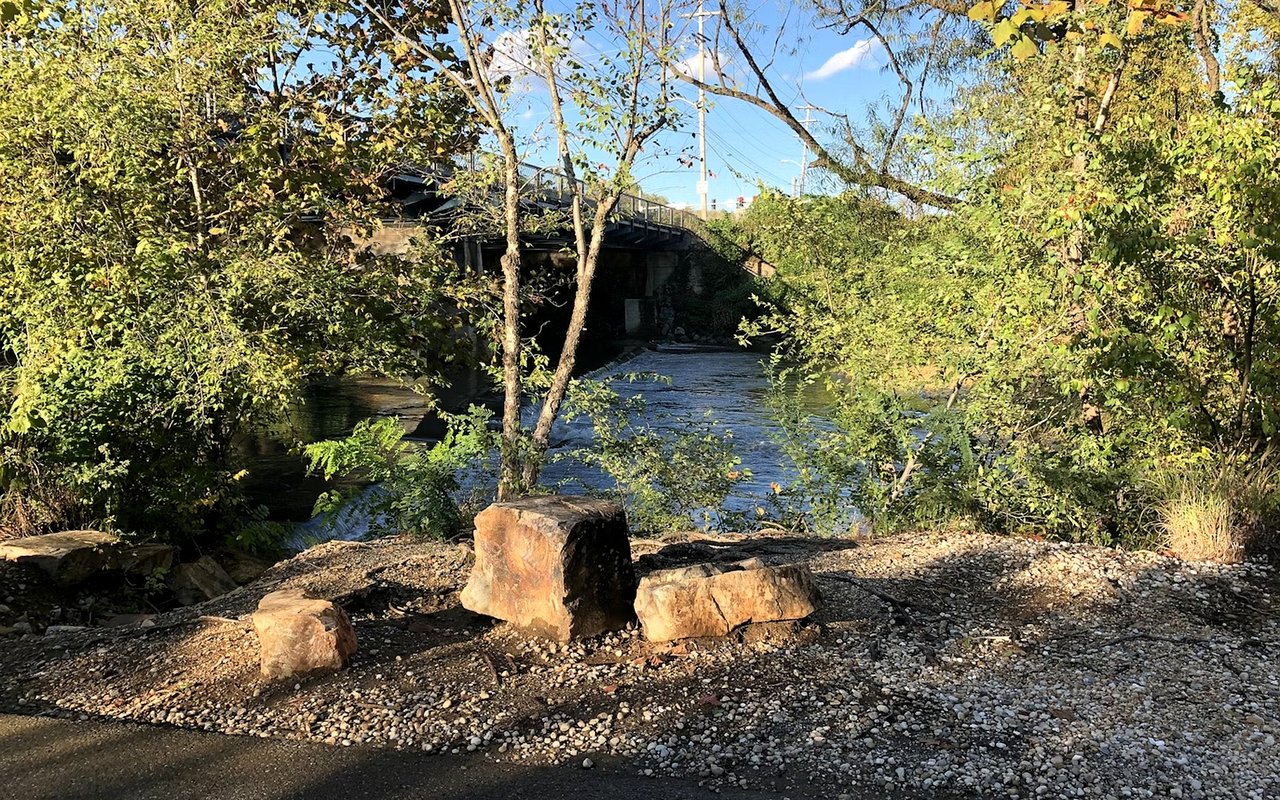
The Huckleberry Trail is one of the most talked-about features in Christiansburg for good reason. This paved trail connects Christiansburg and Blacksburg, and the town notes that many residents use it to bike to work.
Access points include the Christiansburg Recreation Center and the New River Valley Mall, and the trail is still being extended toward downtown. For many residents, it adds another way to move through town for exercise, commuting, or a casual weekend outing.
Community events keep things active
Christiansburg is not just about parks on a map. The town also supports recurring community events that make those spaces feel used and connected to daily life.
The Christiansburg Farmers Market runs seasonally on Thursdays at Christiansburg Huckleberry Park. It features local produce, baked goods, flowers, crafts, and handmade items. Events like Rockin’ Christiansburg/Main also bring together local music, food, and neighborhood gathering in a way that helps the town feel active and social.
Shopping and dining are easy here
One of Christiansburg’s biggest lifestyle advantages is convenience. For a town of its size, it has a broad retail footprint that supports everyday errands, household shopping, dining out, and regional visitor traffic.
Major shopping areas include Uptown Christiansburg, The Marketplace, New River Valley Center, the Central Business District, Gateway Shopping Center, Spradlin Farms Shopping Center, and the Cambria District. That means your errands are typically centered in established retail corridors instead of being scattered too widely.
The town also reports 76 restaurants, 13 national-chain hotels, and two historic bed and breakfasts. That mix gives residents a solid range of casual dining and travel convenience while also supporting the town’s role as a regional hub.
Expect a mostly car-oriented layout
Most daily errands in Christiansburg are still car-oriented. Shopping and dining are concentrated in key commercial areas, which makes it easy to get from one stop to another, but not every part of town is built for a fully walkable lifestyle.
That said, there are more walkable pockets in downtown and around park and trail areas. The Central Business District is known for antiquing, coffee, and casual strolling, while Cambria and other historic areas add more local character to the overall mix.
Housing options are varied
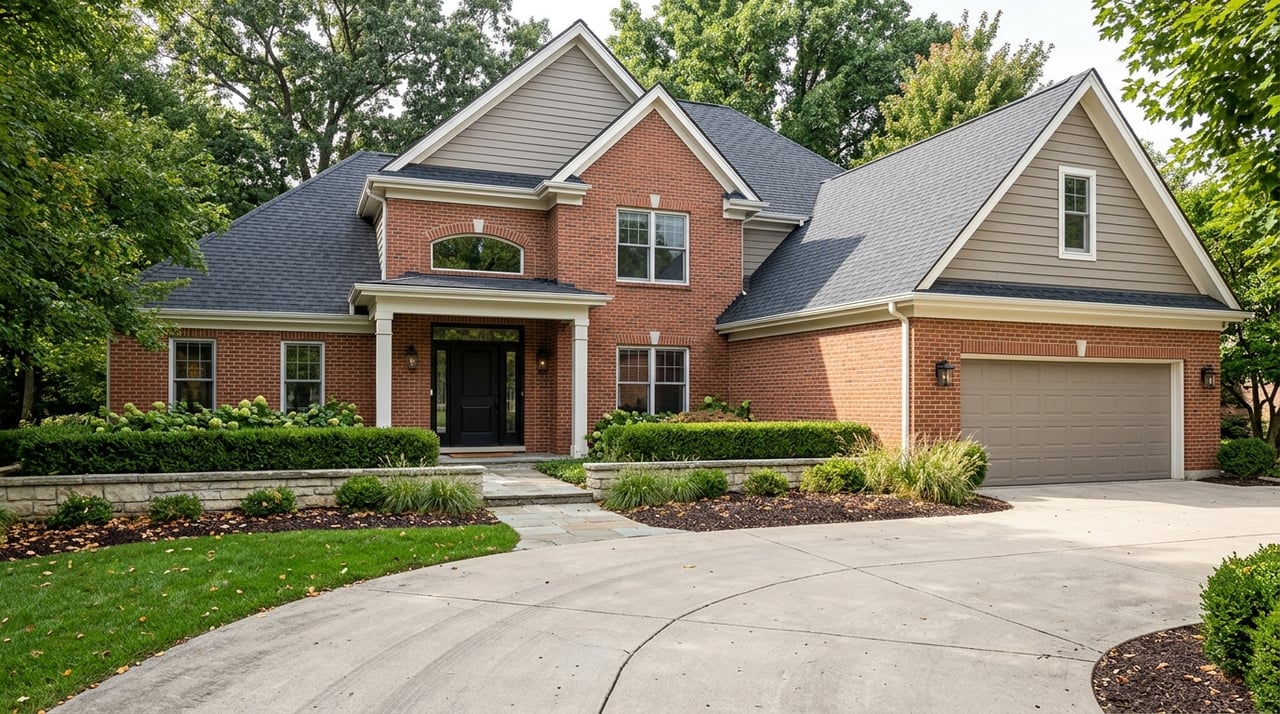
Christiansburg appeals to buyers and renters who want more than one type of housing choice. The town’s zoning allows for single-family homes, two-family dwellings, townhouses, multiple-family dwellings, and planned housing developments.
In practical terms, that means the market includes older neighborhoods, newer subdivisions, and some mixed-use or higher-density housing patterns. It is not a one-style town, and that flexibility can be helpful whether you are buying your first home, relocating, downsizing, or looking for an investment property.
The town is also involved in regional housing discussions and planning efforts tied to supply and affordability. That points to a community that is actively thinking about future housing needs rather than standing still.
Key housing and cost snapshots
Here are a few numbers that help frame the market in Christiansburg:
- Median owner-occupied home value: $252,600
- Median monthly owner cost with a mortgage: $1,512
- Median gross rent: $1,181
- Median household income: $77,147
- Residents living in the same house one year earlier: 87.2%
Those figures suggest a town with a fairly stable resident base and a housing market that supports both ownership and rental living.
Commutes are one of the biggest advantages
For many people, Christiansburg makes the most sense because of location. The town sits at the crossroads of I-81, U.S. 11, and U.S. 460, which makes it easy to move around the New River Valley and beyond.
The average travel time to work is 18.1 minutes, which is a strong everyday quality-of-life benefit. If you are commuting to Blacksburg, Radford, Virginia Tech, or other nearby employers, Christiansburg often offers a nice balance between access and breathing room.
Transit adds another layer of flexibility. Christiansburg offers local bus service to Blacksburg, plus regional options like Smart Way to Roanoke and Virginia Breeze intercity service. The Roanoke-Blacksburg Regional Airport is also about 35 minutes away, which can make longer-distance travel more manageable.
Who tends to like living here
Christiansburg often appeals to people who want convenience without a major-city pace. If you want easy access to shopping, recreation, and regional road connections, this town checks a lot of boxes.
It can be especially attractive if you work in Blacksburg, Radford, or elsewhere in the New River Valley but want a town with its own identity and amenities. Instead of feeling like only a place to sleep between workdays, Christiansburg offers parks, events, trails, shopping districts, and civic investment that support day-to-day living.
It can also be a good fit if you want housing variety. Because the town includes owner-occupied neighborhoods, rentals, townhomes, and multifamily options, you may have more flexibility here than in areas with a narrower housing stock.
What to keep in mind before moving
Like any town, Christiansburg has a lifestyle pattern that will suit some people better than others. If you want a highly walkable, urban-style environment for all of your daily needs, the town’s car-oriented retail layout may feel less ideal.
But if your priority is practical living, recreation, and easy regional access, Christiansburg offers a lot of value. Its combination of parks, established shopping areas, housing options, and manageable commute times gives it a balanced feel that many buyers appreciate.
If you are considering a move to Christiansburg, it helps to look beyond the map and think about how you want your day-to-day routine to work. That is often where this town shines.
When you are ready to explore Christiansburg neighborhoods, compare housing options, or talk through your move with a local team, Christy Crouch is here to help.
FAQs
What is daily life like in Christiansburg, Virginia?
- Daily life in Christiansburg is shaped by convenience, recreation, and regional access, with shopping corridors, parks, trails, and a smaller-town feel.
Is Christiansburg a good place for commuters in the New River Valley?
- Christiansburg is well positioned for commuting because it connects to I-81, U.S. 11, and U.S. 460, and the mean travel time to work is 18.1 minutes.
What kinds of housing are available in Christiansburg?
- Christiansburg includes a mix of single-family homes, two-family dwellings, townhouses, multiple-family dwellings, and planned housing developments.
What are some popular things to do in Christiansburg?
- Popular activities include using the Recreation Center, visiting the Aquatic Center, walking or biking the Huckleberry Trail, enjoying town parks, and attending community events like the farmers market.
Is Christiansburg more car-oriented or walkable?
- Christiansburg is mostly car-oriented for errands and shopping, though downtown and some park and trail areas offer more walkable pockets.