Why Do Some Homes Sit on the Market (And How to Avoid It)
By Christy Crouch
August 26, 2026 |10 min read
Why Are Some Homes Taking Longer to Sell?
This is a question we’re asked almost every day in our current market here in Roanoke, VA, where we’re seeing about four times as many homes on the market as we did in those few years post-COVID. Additionally, interest rates are more than double what they were back then. So why do some homes sit on the market and others don’t?
The biggest factor sellers need to begin accepting is that we are no longer in that fast-moving, heightened seller’s market that we were in. What a neighbor’s home sold for four years ago has nothing to do with what a home will sell for now. Sellers must look at the average time on market in their area and what current market trends say about price.
The First 30 Days on the Market Matter Most
I have always tried to explain to our sellers that, no matter what the market conditions are, a home will see the most interest and activity during the first 30 days of being on the market. This is when the home is considered a new listing, which all buyers are looking at.
Inevitably, the longer any home sits on the market, the harder it is to sell and, generally speaking, the less you end up with.
Price, Condition, and Location Are What Sell a Home
There are truly three things that sell a home, and they are price, condition, and location.
Since sellers have control over the first two, it’s crucial they do everything possible to ensure both are as good as they can be. It can pay off in the end to spend a little up front to get the home in top showing condition.
The few key things we recommend most sellers do are:
A fresh coat of paint throughout
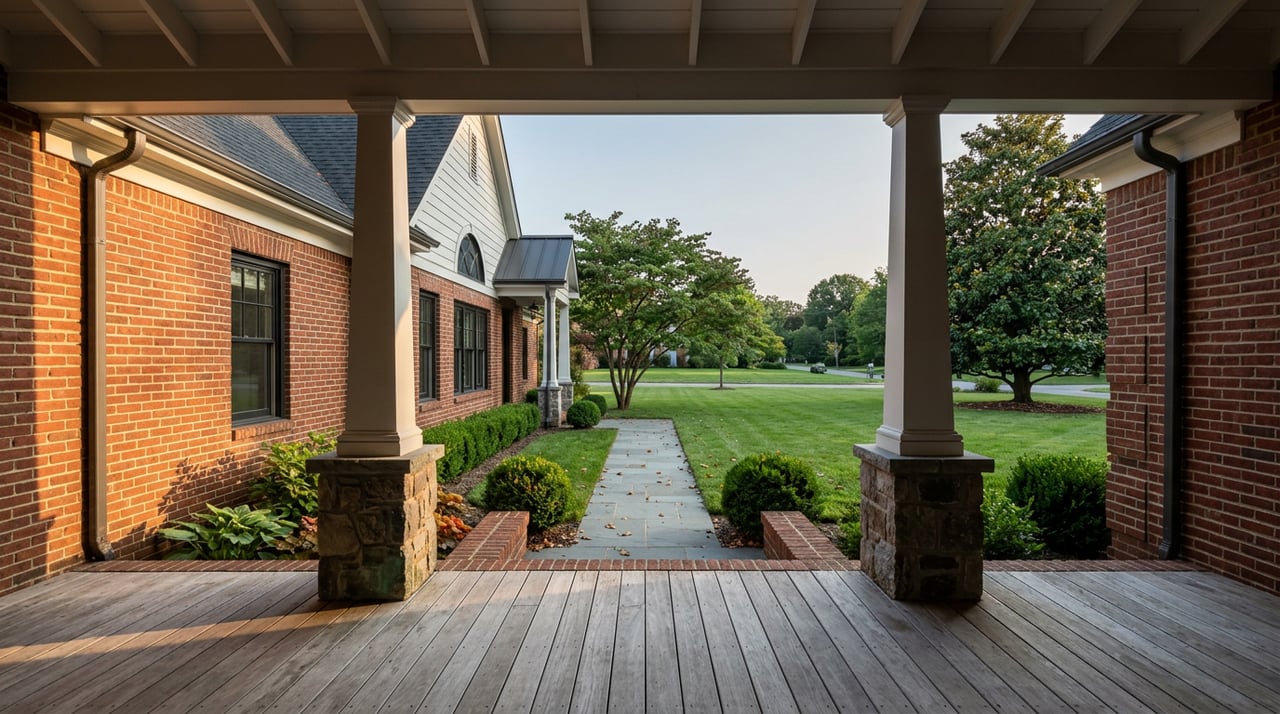
A fresh layer of mulch and colorful flowers in the front
Power wash, clean windows, and remove front screens
Declutter throughout (rent a storage unit if need be)
Replace all air filters and light bulbs
Remove dated throw rugs, curtains, and decor
A thorough cleaning
Stain decks and porches if needed
Make These Improvements Before You List
If you do these things up front, you have a better chance of a buyer choosing your home over the competition.
Time and again, I’ve had sellers’ homes sit on the market and, rather than doing these things up front, they waited and did it once they realized their home wasn’t selling. Unfortunately, it doesn’t have the same impact once the home has been on the market because there’s no way to really impact the market again like you have when you’re a new listing.
Sure, it still helps when buyers come through, but again, it pays to do this up front and listen to your Realtor about anything else they recommend doing.
What Should You Do If Your Home Has Been on the Market for More Than 30 Days?
It’s time to adjust the price.
The worst thing a seller can do is continue to sit on the market week after week, not selling and not adjusting the price. And when adjusting the price, it’s important to try to get under the next price-breaking point, especially the big ones like $50,000 and $100,000. Anytime you can get under those, you automatically expose yourself to a new group of buyers.
Where Are Sellers Pricing Their Homes?
There are three places we see sellers price their homes:
Above the market value and other comparable homes that are for sale
At market value or at the same price as other homes that are for sale
More competitively than the market and other homes that are for sale
It’s clear to see which place is going to get the most interest, activity, and sell the quickest.
Sellers must decide where they want to make the first impression and then, if their home isn’t selling, how they want to adjust.
Price is the single most important factor in which homes sell versus which homes sit.
How Do You Determine the Right Listing Price?
There are many factors that go into pricing, and there is no magic answer. Unfortunately, you could line up ten Realtors and possibly get ten different prices. The key is to look at all the available information and determine where your home fits in the current market.
Some of the factors we consider when determining the right listing price include:
Recent comparable sales: What have similar homes actually sold for recently?
Current competition: What other homes are currently for sale that buyers will be comparing your home to?
Location: The neighborhood, school district, proximity to amenities, and other location-specific factors can all affect value.
Condition: How does the home compare to other properties in terms of updates, maintenance, and overall condition?
Size and features: Square footage, number of bedrooms and bathrooms, lot size, garage, finished spaces, and other features all play a role.
Market conditions: How much inventory is available, how quickly homes are selling, and whether prices are trending up or down can all influence the right price.
Time on market: Looking at how long similar homes have taken to sell can help set realistic expectations.
Buyer demand: Ultimately, the price needs to make sense to the buyers who are currently shopping in your market.
Your Realtor can look at all of this data and chart the waters with you to determine the right listing price. The goal isn’t necessarily to pick the highest possible price—it’s to choose a price that gives your home the best opportunity to attract buyers and ultimately sell.
If Your Home Isn’t Selling, Look at the Price
At the end of it all, if a home isn’t selling, price is generally the main factor and also the hardest for the seller to accept.
Many sellers want to blame the Realtor, but the fact of the matter is the Realtor has no reason not to do everything possible to get the home sold. Realtors don’t get paid unless and until the home sells.