By The Crouch Team
Selling a home is one of the most significant financial moves you will make, and how your property looks the moment a buyer steps through the front door can determine whether you get an offer or a polite pass. Staging is more than tidying up and lighting a candle; it is a deliberate process of presenting your home in a way that allows buyers to picture their own lives unfolding inside its walls. Done well, staging shifts the conversation from "it needs some work" to "when can we move in?"
Buyers today are sophisticated and well-prepared; they scroll through hundreds of listings before scheduling a single showing, and the homes that stop them mid-scroll are the ones that look polished, purposeful, and move-in ready. When your home photographs well and shows beautifully in person, it generates the kind of momentum that leads to strong offers.
The good news is that staging does not have to be expensive or overwhelming. Many of the most effective techniques come down to editing, rearranging, and making strategic small investments rather than full-scale renovations. Whether you are preparing a starter home, a sprawling property, or a sleek, modern condo, these staging principles apply across the board.
Key Takeaways
-
Decluttering and depersonalizing are the most impactful first steps you can take before any showing.
-
Furniture placement significantly shapes how buyers perceive the size and flow of a room.
-
Curb appeal sets the tone before buyers even open the front door.
-
Lighting is one of the most underestimated staging tools available to sellers.
-
Professional staging or targeted DIY updates consistently lead to faster sales and stronger offers.
Start With a Ruthless Edit
Before you add a single throw pillow or fresh flower arrangement, you need to take things away. Buyers cannot visualize themselves living in a home that feels crowded with someone else's belongings. The goal is not to create a sterile, empty space; it is to give each room room to breathe so that its best features can register clearly.
Go room by room and ask yourself what is truly necessary. Oversized furniture, personal collections, extra dining chairs, stacks of books, and items stored on countertops all create visual noise that distracts from the architecture and square footage buyers are actually evaluating. If a piece of furniture is blocking a window, cutting off a sightline, or making a hallway feel tight, it needs to go into storage.
Personal photographs and highly specific decor items also need to come down. This is not about erasing who you are; it is about creating a neutral backdrop where buyers can project their own vision. A home that feels slightly anonymous photographs better, shows better, and sells better. Rent a storage unit if needed and move anything that does not contribute to the look you are curating.
Go room by room and ask yourself what is truly necessary. Oversized furniture, personal collections, extra dining chairs, stacks of books, and items stored on countertops all create visual noise that distracts from the architecture and square footage buyers are actually evaluating. If a piece of furniture is blocking a window, cutting off a sightline, or making a hallway feel tight, it needs to go into storage.
Personal photographs and highly specific decor items also need to come down. This is not about erasing who you are; it is about creating a neutral backdrop where buyers can project their own vision. A home that feels slightly anonymous photographs better, shows better, and sells better. Rent a storage unit if needed and move anything that does not contribute to the look you are curating.
What To Remove First
-
Excess furniture that crowds traffic flow or blocks natural light.
-
Personal photographs, awards, and memorabilia from all rooms.
-
Countertop appliances, toiletries, and everyday clutter from kitchens and bathrooms.
-
Seasonal items, sports equipment, and hobby supplies that belong in storage.
-
Area rugs that are worn, mismatched, or too small for the space.
Use Furniture Placement To Tell a Story
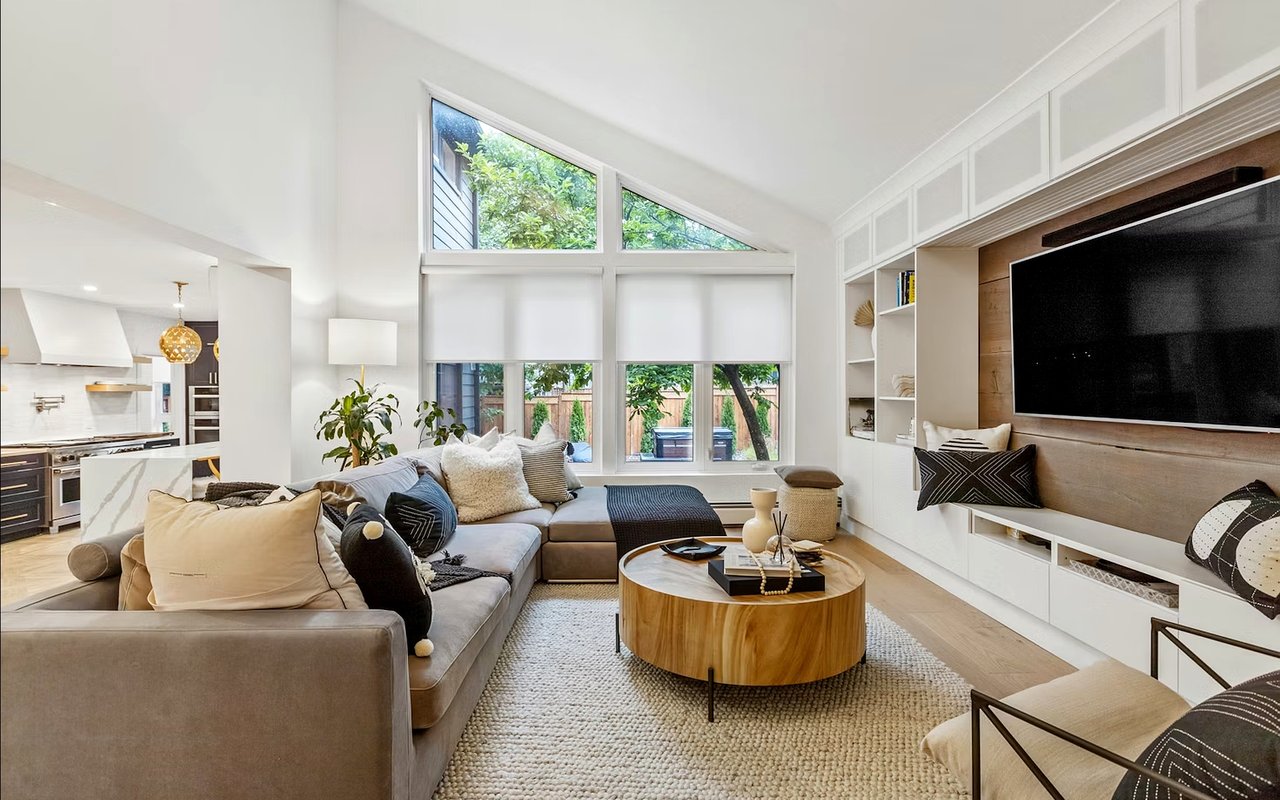
Once the space is edited down, how you arrange what remains makes an enormous difference. Buyers walk into a room and immediately form an impression of how it functions. Your job as the seller is to make sure that the first impression is coherent, inviting, and logical. A couch pushed against a wall does not automatically make a room feel larger; in many cases, floating furniture away from the walls and anchoring the space around a central rug creates a conversation area that reads as intentional and well-designed.
In the living room, arrange seating so that it draws buyers into the space rather than pushing them toward the perimeter. In the dining room, make sure the table is sized appropriately; an oversized table in a modest dining space will make buyers feel like the room is small, when really the furniture is just too large. In bedrooms, the bed should be the focal point. Centering it on the main wall with symmetrical nightstands on each side signals balance and ease.
Do not forget about traffic flow, as any furniture arrangement that creates an obstacle course will register as a negative. Clear the pathways through every room, and make sure that doors can open fully without obstruction. The easier it is to move through the space, the more open and livable it will feel.
In the living room, arrange seating so that it draws buyers into the space rather than pushing them toward the perimeter. In the dining room, make sure the table is sized appropriately; an oversized table in a modest dining space will make buyers feel like the room is small, when really the furniture is just too large. In bedrooms, the bed should be the focal point. Centering it on the main wall with symmetrical nightstands on each side signals balance and ease.
Do not forget about traffic flow, as any furniture arrangement that creates an obstacle course will register as a negative. Clear the pathways through every room, and make sure that doors can open fully without obstruction. The easier it is to move through the space, the more open and livable it will feel.
Room-by-Room Staging Priorities
-
Living room: Create a defined seating area anchored by a rug and facing a focal point like a fireplace or window.
-
Kitchen: Clear all countertops except for one or two purposeful items, like a fruit bowl or a coffee station.
-
Primary bedroom: Use neutral bedding in a cohesive palette and layer with pillows for a hotel-like finish.
-
Bathrooms: Replace worn towels, clear the vanity, and add a small plant or candle to signal a spa-like feel.
-
Home office: If the room doubles as a catch-all, stage it as a functional, single-purpose space.
Maximize Light in Every Room
Lighting is one of the most powerful tools in a home stager's kit, and it is one of the most frequently overlooked by sellers. A bright, well-lit home feels larger, cleaner, and more welcoming. Before any showing or photo shoot, you want every source of light working in your favor.
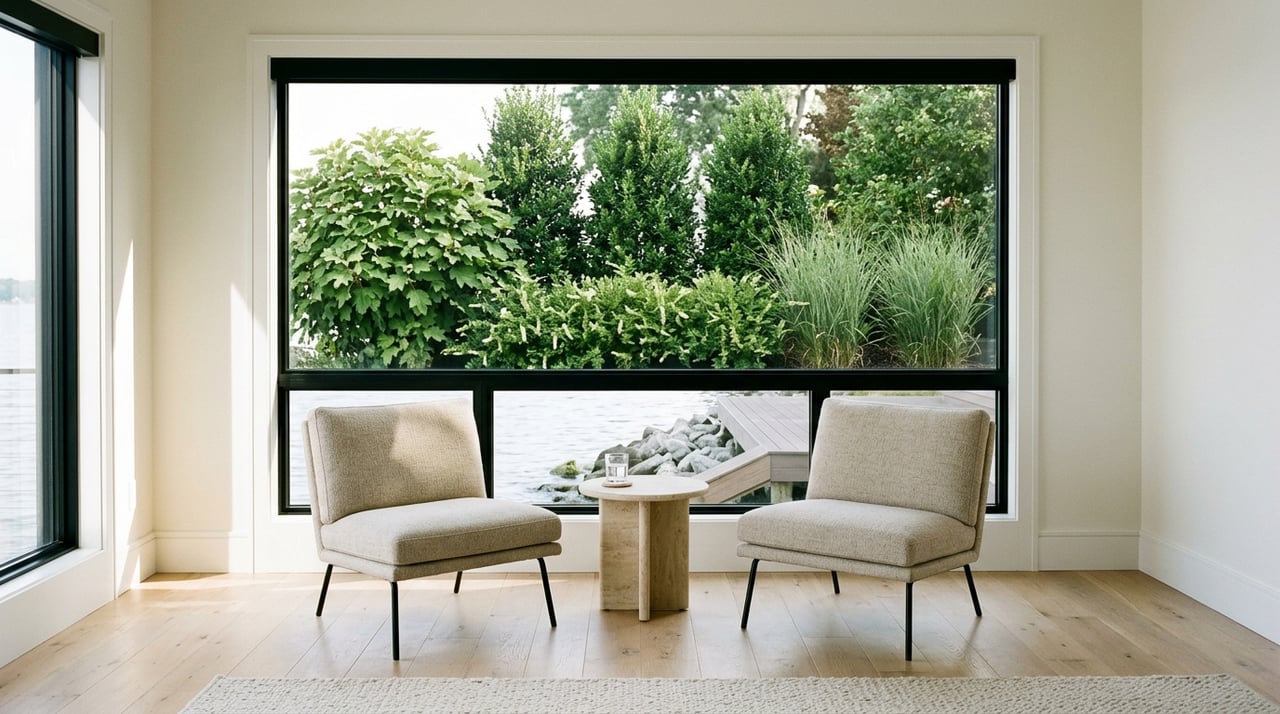
Start by maximizing natural light. Remove heavy drapes and replace them with lighter window treatments that let sunlight in while still providing some privacy. Clean your windows inside and out; the difference is more noticeable than you might expect. Trim any outdoor shrubs or hedges that are blocking light from entering lower-level windows.
Then, layer your artificial lighting thoughtfully. Every room should have three levels: ambient lighting from overhead fixtures, task lighting from lamps and under-cabinet fixtures, and accent lighting that draws the eye to specific features. Swap out any bulbs that have burned out and make sure all your bulbs are consistent in color temperature. Warm white tones (around 2700K to 3000K) tend to photograph best and create the most inviting atmosphere in person.
Start by maximizing natural light. Remove heavy drapes and replace them with lighter window treatments that let sunlight in while still providing some privacy. Clean your windows inside and out; the difference is more noticeable than you might expect. Trim any outdoor shrubs or hedges that are blocking light from entering lower-level windows.
Then, layer your artificial lighting thoughtfully. Every room should have three levels: ambient lighting from overhead fixtures, task lighting from lamps and under-cabinet fixtures, and accent lighting that draws the eye to specific features. Swap out any bulbs that have burned out and make sure all your bulbs are consistent in color temperature. Warm white tones (around 2700K to 3000K) tend to photograph best and create the most inviting atmosphere in person.
Lighting Updates That Make an Immediate Impact
-
Replace dated light fixtures in entryways, dining rooms, and bathrooms with updated styles.
-
Add floor lamps to darker corners that overhead fixtures do not reach.
-
Use dimmer switches where possible so you can adjust the tone for evening showings.
-
Turn on all lights before buyers arrive, even during daytime showings.
-
Open every blind and curtain to its full extent before photos and tours.
Do Not Forget the Exterior
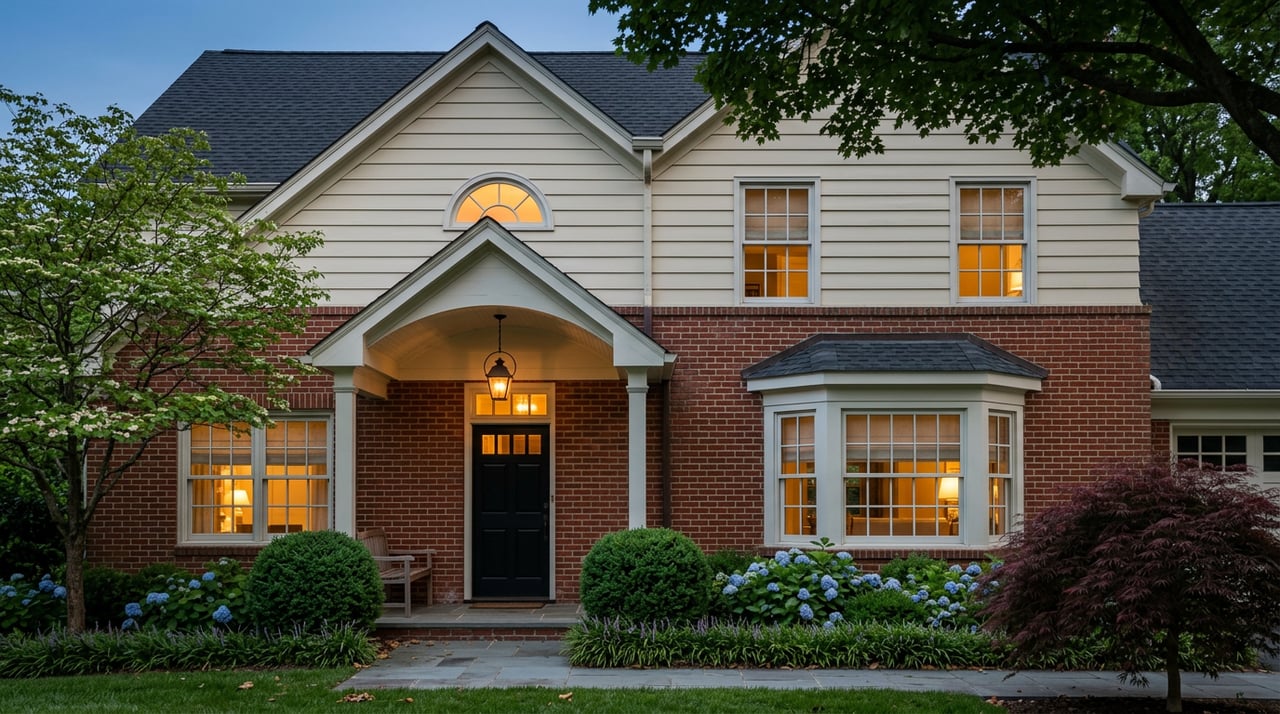
First impressions form before buyers reach the front door. The moment they pull up to the curb, they are already forming an opinion, and that opinion is hard to reverse once it is set. Curb appeal is not about a full landscaping overhaul; it is about making sure the exterior of your home looks cared for and inviting.
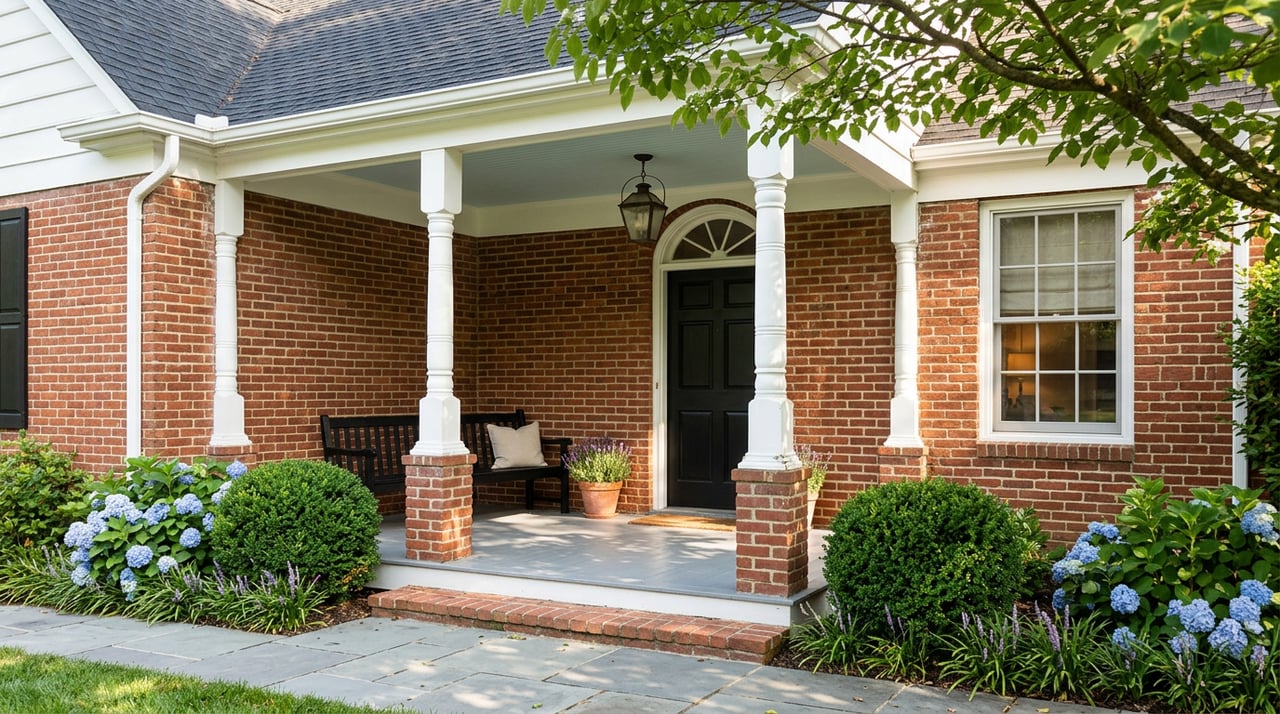
Start with the basics: mow the lawn, edge the walkways, trim overgrown hedges, and clear away any dead plants or debris. Power wash the driveway, walkways, and exterior surfaces if they have accumulated dirt or grime. If the front door paint is peeling or faded, a fresh coat in a bold, complementary color can completely transform the entry and signal that the home has been well-maintained.
Consider adding potted plants or seasonal flowers to the entry. A doormat that is clean and in good condition, updated exterior light fixtures, and a polished house number all contribute to a cohesive, welcoming arrival experience. These details are inexpensive, but they do a significant amount of heavy lifting when it comes to a buyer's first impression.
Start with the basics: mow the lawn, edge the walkways, trim overgrown hedges, and clear away any dead plants or debris. Power wash the driveway, walkways, and exterior surfaces if they have accumulated dirt or grime. If the front door paint is peeling or faded, a fresh coat in a bold, complementary color can completely transform the entry and signal that the home has been well-maintained.
Consider adding potted plants or seasonal flowers to the entry. A doormat that is clean and in good condition, updated exterior light fixtures, and a polished house number all contribute to a cohesive, welcoming arrival experience. These details are inexpensive, but they do a significant amount of heavy lifting when it comes to a buyer's first impression.
Exterior Staging Checklist
-
Freshen landscaping with new mulch, edged beds, and trimmed hedges.
-
Paint or replace the front door if the current one is worn or dated.
-
Add potted flowers or greenery flanking the entry for a welcoming touch.
-
Clean or replace the welcome mat and update house numbers if needed.
-
Make sure the driveway and walkways are clear, clean, and in proper repair.
FAQs
Should I Stage My Home If I Am Still Living in It?
Absolutely. In fact, most sellers are still occupying their home during the listing period, and staging is highly effective in occupied properties. The key is simplifying your daily environment so that it reads well for buyers. Think of it as temporarily living in a more pared-down version of your home. You may need to put some belongings in storage and adjust your routines, but the payoff in terms of how quickly the home sells is typically worth the adjustment.
Do Staged Homes Really Sell Faster?
Yes, consistently. Staged homes tend to spend fewer days on the market compared to their unstaged counterparts, and in multiple-offer situations, they are more likely to generate competitive bids. The visual appeal created through staging also translates directly into better listing photos, which is increasingly critical given that the vast majority of buyers begin their search online.
What Are the Most Important Rooms to Stage?
If you are prioritizing, focus your staging energy on the living room, primary bedroom, kitchen, and primary bathroom. These are the rooms that buyers weigh most heavily when forming their overall impression of a property. An impressive entry or foyer can also do a lot of work early in the showing experience, setting a positive tone before buyers move through the rest of the home.
Make Buyers Feel at Home Before They Make an Offer
The homes that sell quickly and for compelling prices are the ones that make buyers feel something the moment they walk through the door. That feeling does not happen by accident; it is the result of thoughtful preparation, intentional editing, and a commitment to presenting every room at its best.
If you are preparing to list your home for sale in Roanoke and want expert guidance on how to position your home for the strongest possible outcome, reach out to us at The Crouch Team. We can help you identify the updates that will make the most notable difference, so you walk into the selling process with confidence and a clear plan.
If you are preparing to list your home for sale in Roanoke and want expert guidance on how to position your home for the strongest possible outcome, reach out to us at The Crouch Team. We can help you identify the updates that will make the most notable difference, so you walk into the selling process with confidence and a clear plan.